

Temperature control is one of the most important factors in industrial processes. Whether in manufacturing, refrigeration, or food processing, maintaining the correct temperature directly affects product quality and operational efficiency.
In this blog, we’ll discuss why temperature gauges are essential, where they are used, and how to choose the right one.
Why Temperature Monitoring Matters
Incorrect temperature levels can lead to:
- Product spoilage
- Equipment damage
- Energy wastage
- Safety hazards
- Reduced production efficiency
A reliable temperature gauge ensures consistent monitoring and helps maintain optimal operating conditions.
Common Applications of Temperature Gauges
Temperature gauges are widely used in:
- Food and pharmaceutical industries
- Industrial refrigeration systems
- Process plants
- Marine engines
- Boiler and heating systems
Each application requires precise and durable instruments that can withstand tough operating conditions.
Types of Temperature Gauges
- Bimetallic Temperature Gauges
Suitable for general industrial use with durable construction. - Gas-Filled Temperature Gauges
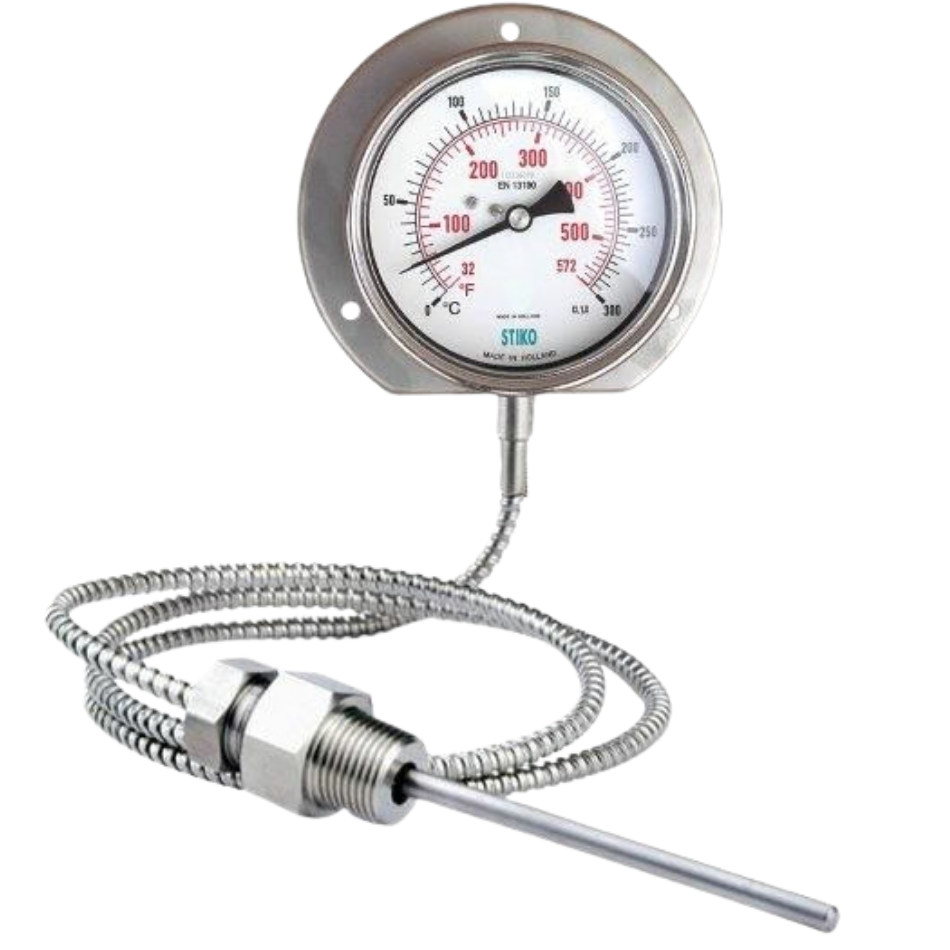
Used in applications requiring fast response and longer capillary lengths. - Digital Temperature Indicators
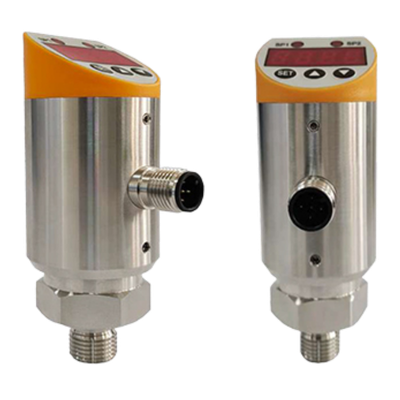
Provide clear, precise readings and are ideal for modern process control systems.
How to Select the Right Temperature Gauge
- Temperature Range
Choose a gauge that covers your full operating temperature range. - Response Time
For fast-changing processes, select gauges with quick response capability. - Installation Requirements
Consider stem length, mounting style, and connection type. - Environmental Conditions
Ensure compatibility with moisture, vibration, or corrosive environments.
Final Thoughts
Temperature gauges play a crucial role in maintaining product quality and operational stability. Selecting high-quality instruments ensures long-term accuracy, safety, and efficient industrial performance.