
Technical Resources
- Home /
- Technical Resources
Practical guidance for correct selection, installation & use of instruments
Quick Engineering Guide
Pressure Range
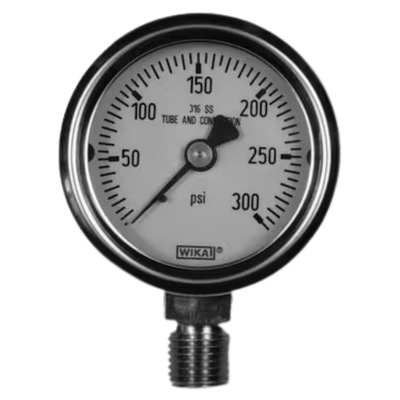
Always select 1.5–2× operating pressure to avoid fatigue and failure.
Vibration
Use glycerin-filled gauges to stabilize pointer movement.
Steam Use
Install a syphon to protect gauge from high temperature steam.
Corrosive Media
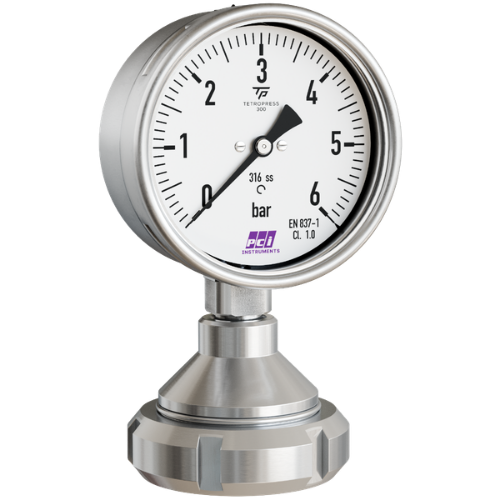
Use diaphragm seals to prevent damage and clogging.
Temperature Accuracy
Ensure proper immersion length for correct readings.
Pressure Gauge Selection
Range
Accuracy
Dial Size
Material
Application
Safety
Temperature Gauge Selection
Types
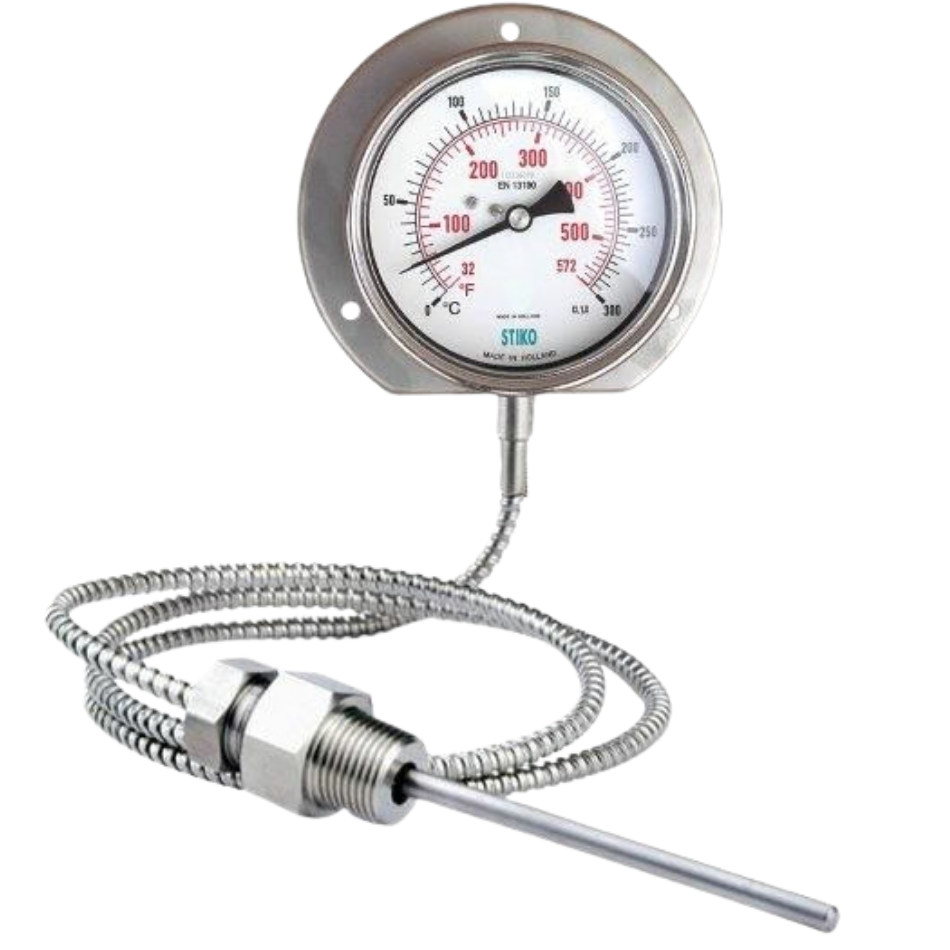
Choose between bimetal, gas-filled or RTD based on need.
Stem Length
Incorrect immersion causes major measurement error.
Mounting
Select orientation for easy reading and access.
Thermowell
Protects sensor and allows removal without shutdown.
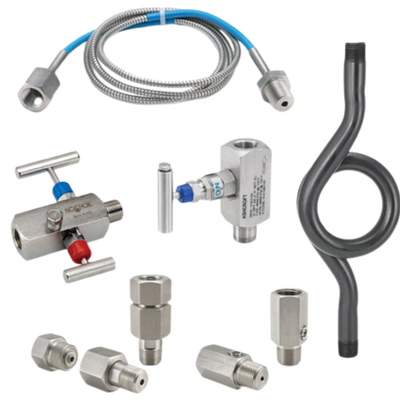
Accessories Guide
Syphon
- Reduces temperature impact in steam applications.
Snubber
- Dampens pressure spikes and pulsations.
Needle Valve
- Allows isolation and controlled pressure entry.
Diaphragm Seal
- Isolates instrument from harsh process media.
Capillary
- Used for remote mounting away from process heat.
Thermowell
- Provides mechanical protection for temperature sensors.
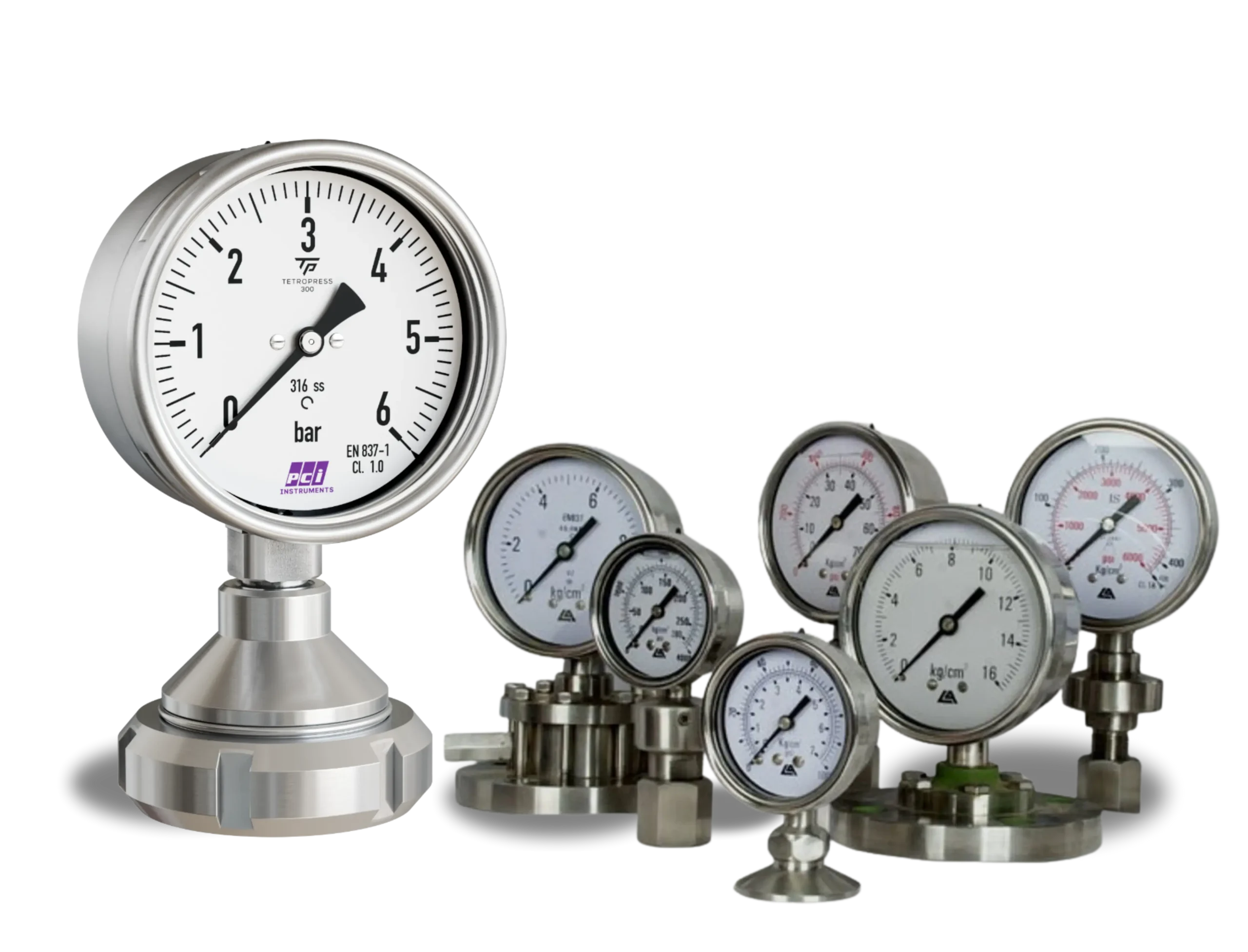
Diaphragm Seals
Purpose
Protects instruments from corrosion, clogging and extreme conditions.
Types
Available in threaded, flanged and sanitary designs.
Fill Fluid
Determines operating temperature limits and response.
Accuracy Impact
Incorrect selection can affect response time and readings.
Common Mistakes
Overpressure
- Operating beyond range causes permanent damage to sensing element.
Temperature Overload
- Excess heat affects accuracy and damages internal components.
Vibration
- Continuous vibration loosens parts and disturbs calibration.
Pulsation
- Pressure spikes cause pointer fluctuation and mechanical wear.
Corrosion
- Wrong material selection leads to chemical attack and leakage.
Mechanical Shock / Fall
- Impact damage can misalign internal mechanism or break parts.
Improper Mounting
- Wrong installation causes stress and inaccurate readings.
Clogging / Blockage
- Dirty or viscous media blocks pressure entry.
No Accessories
- Missing syphon/snubber leads to premature failure.
Installation Tips
Mounting Location
Avoid high vibration and shock areas.
Connections
Use flexible connections where required.
Sealing
Ensure leak-proof installation using proper sealing.
Visibility
Install where readings can be easily monitored.
Maintenance & Calibration
Calibration
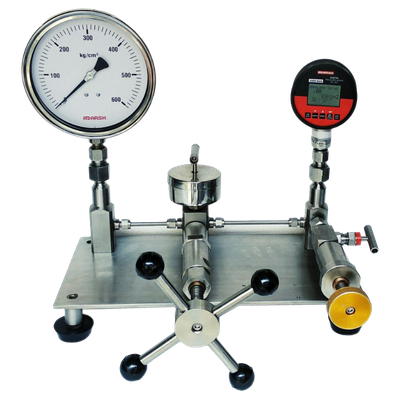
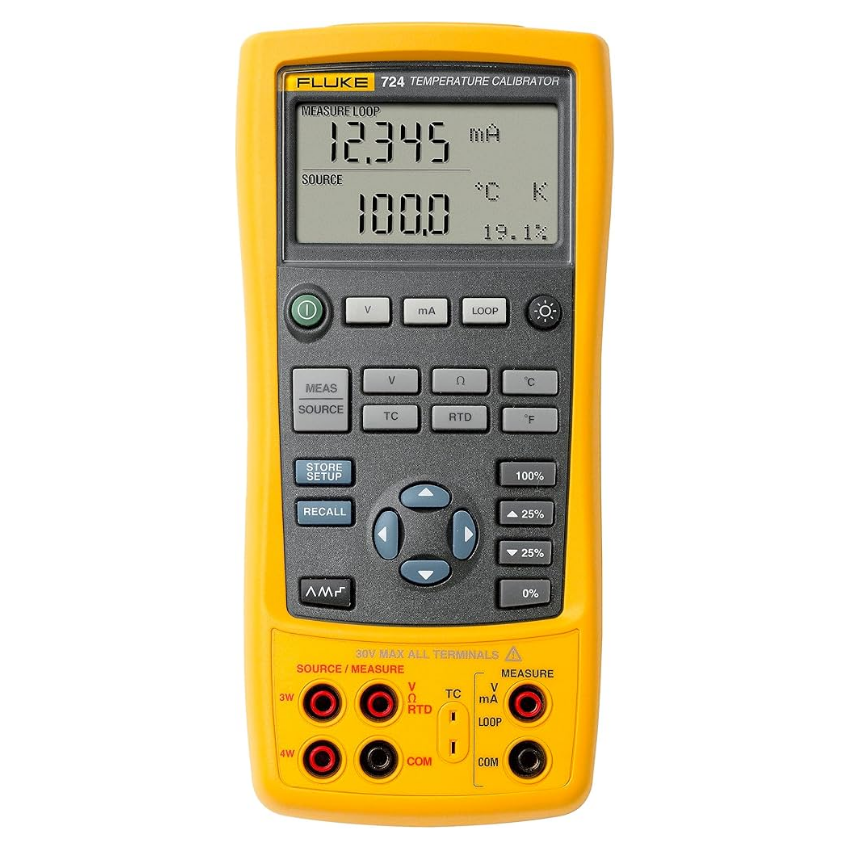
Regular calibration ensures accuracy over time.
Standards
Use NABL certified labs for reliable results.
Replacement
Replace gauges if accuracy deviates significantly.
Engineering Support
Our team assists in selecting the right solution for your application.